
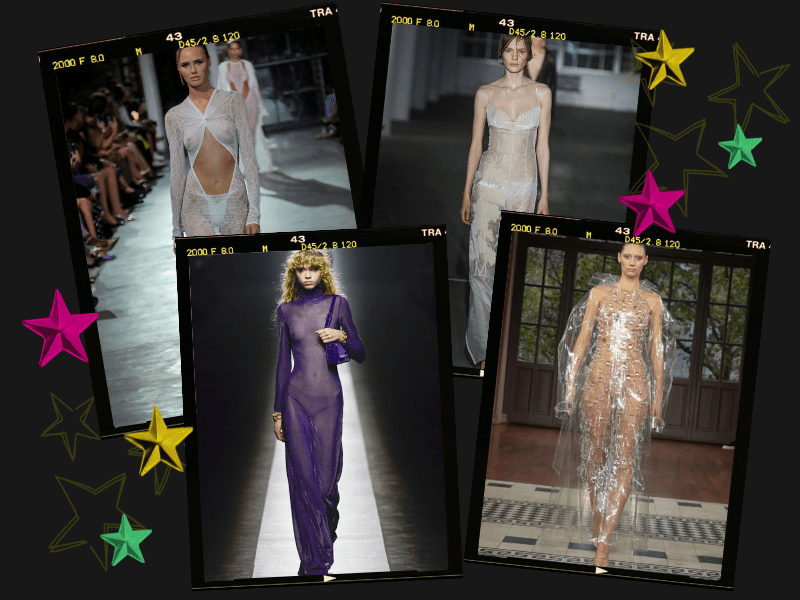
Fashion Week 2025 broke down barriers—quite literally—with a trend that left no one indifferent: transparency. From Paris to New York, major fashion houses like Prada, Chloé, and Tom Ford embraced sheer fabrics to craft daring pieces, blurring the line between clothing and nudity, and unveiling a new era of liberation in the fashion world.
In a time when authenticity, self-expression, and gender fluidity are at the heart of cultural conversations, the “sheer clothing” trend offers a way to explore and expose the body with both modesty and provocation.
Organza and insolence : Sheerness on the podiums
Transparency took many forms on the runways, from delicate veils to bold mesh designs. Designers used innovative materials like lightweight organza, tulle, and netting to create garments that felt both ethereal and modern. These transparent textiles allowed for creative play with light, movement, and layering, resulting in captivating visual effects. Brands like Prada, Chanel, and Mugler showcased this trend with elegance, designing garments that revealed just enough skin while maintaining undeniable sophistication.
Fashion powerhouses like Balenciaga and Gucci also embraced the trend, presenting collections centered on layering. Transparent ensembles paired with structured pieces created striking contrasts, highlighting craftsmanship while remaining resolutely contemporary.
At Mugler, Casey Cadwallader used transparency to celebrate the body, accentuating every curve and movement. With sculptural, body-hugging designs blending functionality and high-fashion aesthetics, his geometric, near-architectural approach proved that transparency can be as powerful as the thickest of materials—revealing just as much as it conceals.
Emerging designers, on the other hand, took a more experimental route. Labels like Namilia and Y/Project challenged gender norms, incorporating lingerie elements into daytime looks and blurring the lines between private and public fashion.
Seeing and being seen : A political claim
The transparency trend also reflects a growing desire to demystify bodies and redefine concepts of intimacy and identity. In a world where queer, trans, and non-binary bodies fight to be seen and acknowledged, transparency becomes a bold statement. It celebrates the diversity of gender and sexual identities while pushing back against the idea of hiding or conforming to modesty standards.
Ludovic de Saint Sernin, for example, presented a collection where nothing was hidden. Themes of gender fluidity and ungendered sensuality took center stage. The sheer designs revealed the models’ skin and tattoos, further blurring gender lines and challenging normative expectations in both fashion and representation.
Translucent legacies : From glam rock to the 90s
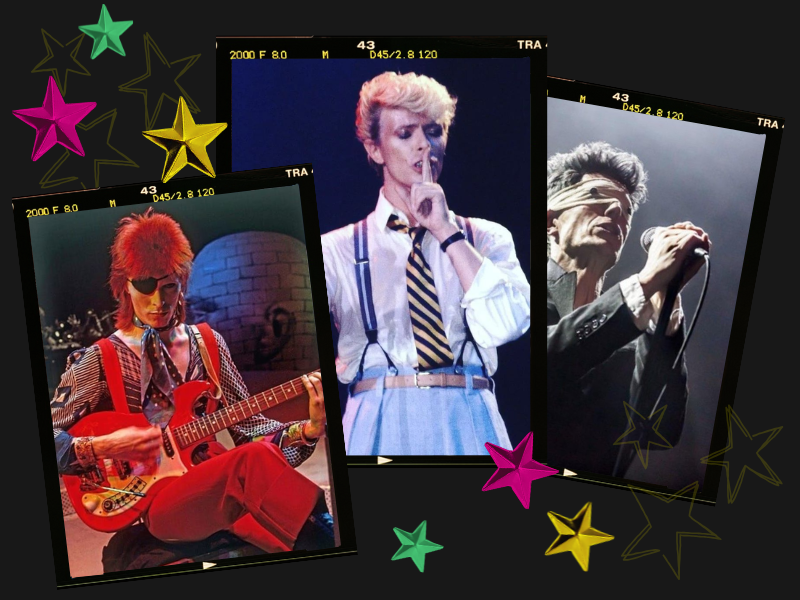
The sheer trend has a rebellious history rooted in societal code-breaking. In the 1970s, it embodied the flamboyant glam rock spirit, with public figures like David Bowie challenging masculinity through sheer, glittering outfits on stage as his alter egos Ziggy Stardust and Aladdin Sane. And who could forget Cher, once wrongly accused of being a trans woman, who wore iconic transparent looks that asserted her femininity and silenced speculation.
In the 1990s, transparency took on a darker, rawer edge. Designers like Alexander McQueen explored the tension between vulnerability and power through see-through designs, while figures like Kate Moss brought the trend into the mainstream—at once provocative and a form of bodily liberation.
A trend that says out loud what is still hidden
The transparent trend of Fashion Week 2024/2025 is more than just an aesthetic—it marks a fundamental shift in how we understand fashion and identity. By daring to reveal and celebrate body diversity, designers are paving the way for a future where fashion reflects who we truly are. It’s a movement that reminds us beauty lies in authenticity and individuality, that fashion is a powerful tool for self-expression, and that vulnerability can be a source of strength. As the fashion industry continues to evolve, transparency is likely to become even more deeply woven into future collections—inviting everyone to stand tall, seen, and free from imposed norms.

 HOME
HOME 
Leave a comment