When we talk about gender, many people still think there are only two options: man or woman. But actually, lots of people don’t fully identify with either of those, or don’t identify with them at all. These people are non-binary, and they exist, live, express themselves—and deserve to be understood and respected.
Want to better understand what non-binarity is, without stressing about asking the “wrong question”? You’re in the right place.
What is non-binary?
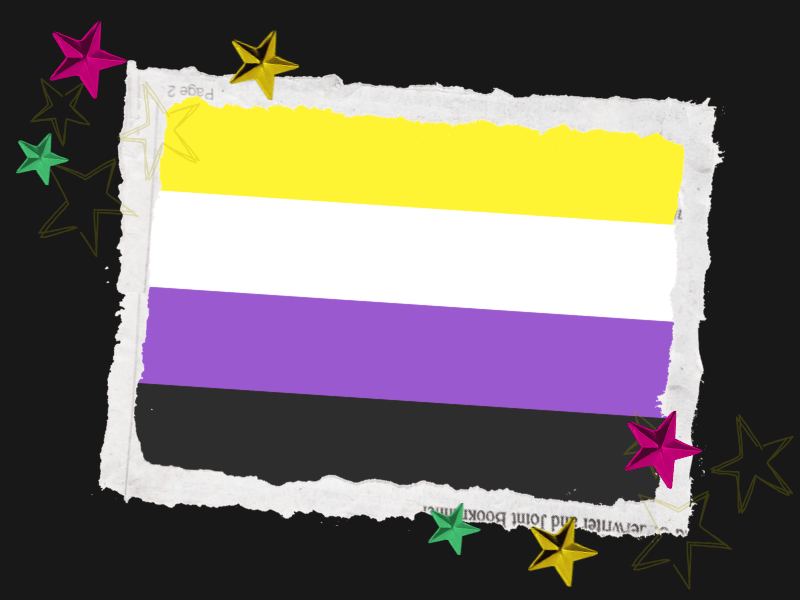
A non-binary person is someone whose gender identity isn’t limited to just “man” or “woman.”
Some non-binary people feel a bit of both, neither, somewhere in between, outside the spectrum, or whose gender can change over time. There isn’t just one way to be non-binary: it’s an umbrella term covering many different experiences.
Being non-binary isn’t an “in-between,” a blur, or “indecision.” It’s a valid gender identity in its own right.
Quick reminder:
- Sex is what you’re assigned at birth (usually based on your genitalia).
- Gender is what you feel deeply inside. It’s your identity.
- Gender expression is how you choose to dress, speak, and present yourself.
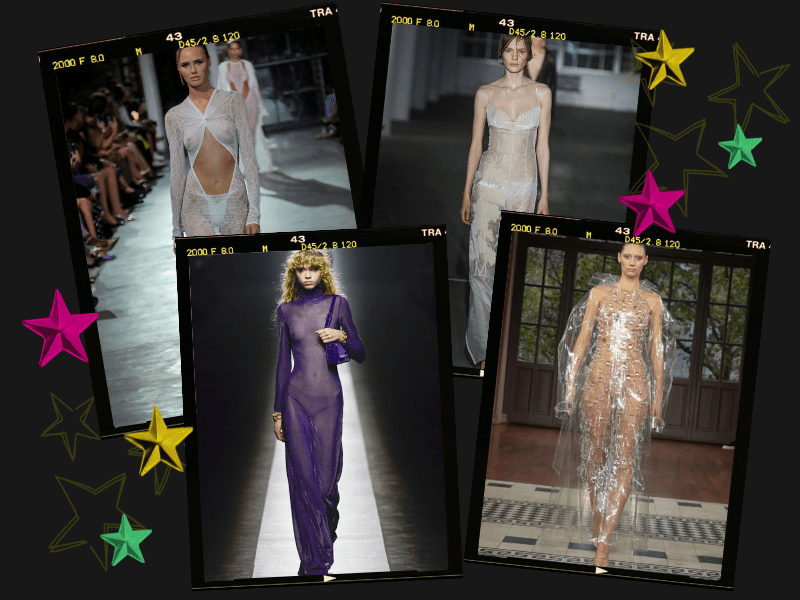
And these don’t always line up. You can be non-binary and have a very feminine, masculine, fluid, or neutral expression.
Mini glossary to understand the non-binary galaxy:
- Non-binary (NB or enby): someone who doesn’t identify exclusively as man or woman.
- Genderfluid: a person whose gender identity may shift over time or depending on context.
- Agender: someone who doesn’t identify with any gender or feels no gender at all.
- Bigender: someone who identifies as two genders, either at the same time or switching between them.
- Demigender: someone who partly identifies with a gender (like demiboy or demigirl).
- Neutrois: a gender often understood as neutral, neither masculine nor feminine.
- Xenogender: a gender identity that moves far outside traditional categories, sometimes linked to sensations or symbols (like nature, animals, abstract concepts).
- Transnon-binary: someone assigned male or female at birth but whose gender identity is non-binary.
- Cisgender: someone whose gender identity matches the sex they were assigned at birth.
“So, are non-binary people trans?”
Some are, some aren’t!
If a person was assigned boy or girl at birth but doesn’t identify with that gender, they may identify as trans. But not everyone uses the word “trans,” and that’s okay. What matters most is respecting the terms people choose for themselves.
What about pronouns?
Non-binary people might use:
- Neutral pronouns like they/them, xe/xem, or neopronouns they create.
- He, she, or a mix of both.
- The best thing? Just ask, and respect their choice. If you mess up, apologize, correct yourself, and keep going. It’s the effort and respect that count—not perfection.
Mini FAQ — addressing common doubts:
- “Isn’t this new?”
Nope. Non-binary and other gender identities outside the binary have existed across many cultures forever: the Hijras in India, Two-Spirit people in some Indigenous North American tribes, fa’afafine in Polynesia… What’s new is that it’s talked about more openly in Western societies. - “But if I can’t see that someone is non-binary, how would I know?”
You can’t “see” if someone is cis, trans, gay, bi, or anything else. Identity isn’t a guessing game—it’s about respect. - “Isn’t it just a phase?”
No. And if someone is exploring or evolving, that’s totally okay. People have the right to figure out who they are. - “But on official documents, you have to pick a gender!”
That’s exactly the problem. For example, in many countries, there’s still no neutral gender option on legal documents (except very rare cases). This lack of recognition makes life really hard.
Non-binary people can:
- Have romantic relationships or not at all.
- Transition medically or not.
- Take hormones, have surgeries, or nothing at all.
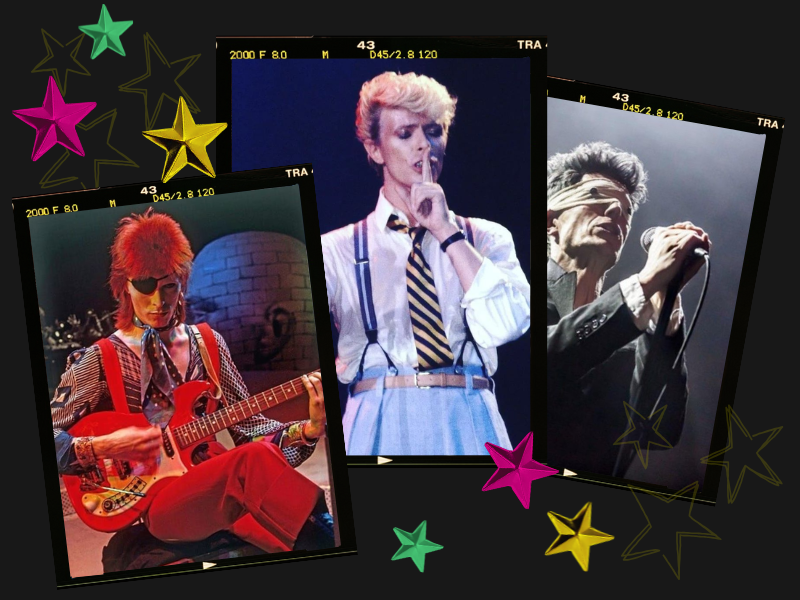
- Be feminine, masculine, androgynous, or any combination.
- Be tired of having to explain their existence every day.
Want to be a good ally? Here’s where to start:
- Don’t make assumptions.
- Use the right pronouns and names.
- Don’t say “it doesn’t show.”
- Don’t force people to “pick a side.”
- Let people define their own identity.
- Amplify and make visible non-binary experiences (in your projects, circles, magazine…).
In summary:
Non-binarity isn’t an “in-between,” it’s a whole constellation.
It’s a way of existing outside, between, or without the boxes.
And like any identity, it doesn’t need proof—it only needs respect.
 HOME
HOME 
Leave a comment