

Punk—raw cry of a revolt born in the shadows—is swallowed whole by the fashion machine, which digests its rage and spits out only the look. This paradox of an anti-capitalist culture turned luxury product reveals the voraciousness of an industry that erases struggles to sell sanitized dreams. Between appropriation and resistance, punk’s history forces us to question our relationship to authenticity and rebellion.
Beneath the blinding lights of the runway, what was once a wild scream becomes a marketed whisper. Punk, born in the grimy backstreets of 1970s England as an act of radical rebellion, now finds itself robbed, emptied of its fury, and reappropriated by a fashion industry that only speaks the language of profit. How did an anti-capitalist culture become a high-end consumer product, a mere style accessory stripped of meaning? The paradox lays bare the raw face of an insatiable industry, capable of shamelessly stealing the symbols of resistance to turn them into polished showcases—erasing the struggles and the stories behind them.
Punk : Rebellion Woven into Fabric
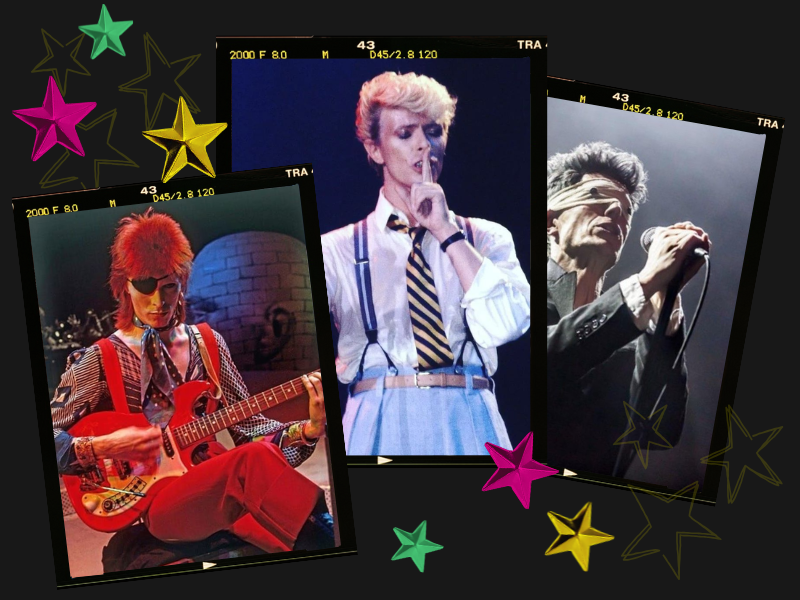
Punk isn’t just a look. It’s a skin-deep insurrection, a visual language brimming with rejection—of capitalist, patriarchal, conservative society. In 1970s London, economic crisis crushed an angry, disillusioned youth. Bands like the Sex Pistols and The Clash weren’t here to entertain—they were screaming their rage, despair, and desire to tear down the system.
Punk aesthetics—studded leather jackets, safety pins, chains, ripped pants, spiked hair—are political manifestos. Dick Hebdige, in Subculture: The Meaning of Style, described it as resistance through style—a way of rewriting the rules by refusing those of the dominant society.
Vivienne Westwood, with her boutique SEX on King’s Road, stood at the heart of punk’s birth. Alongside Malcolm McLaren, she created fashion that was intentionally shocking: tees plastered with provocative slogans, torn fabrics, anarchist symbols. Westwood didn’t just sell clothes—she broadcasted a manifesto, a war cry against normality, a refusal to conform. She embodied the political power of style that disrupts.
From Street to Catwalk: The Capitalist Digestion of Punk
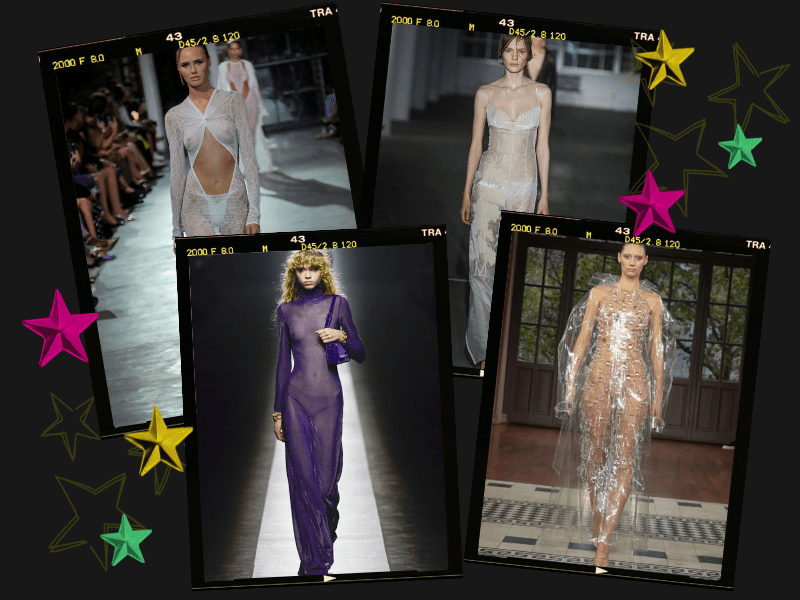
As punk seeped into the collective imagination, high fashion began eyeing this brutal aesthetic. By the 1980s, so-called “alternative” designers drew inspiration from it—then luxury houses joined the dance. Jean-Paul Gaultier, a pioneer in merging subversion and couture, introduced punk staples like studded jackets and corsets into his shows. In 2012, Marc Jacobs at Louis Vuitton unveiled a punk-heavy collection: spikes, chains, shredded leather.
By the 2000s and 2010s, the contamination was complete. Under Hedi Slimane, Saint Laurent reimagined the punk silhouette with tailored leather jackets and studded boots. Balenciaga merged punk and luxury streetwear on its runways. Provocative slogans and motifs, once symbols of revolt, became overpriced decorations sold to a clientele far removed from the social struggles they once embodied.
This commercial seduction, seemingly flattering, is a double betrayal: it dilutes punk’s political power while allowing the capitalist system to profit off a culture born to break free from it.
The Cruel Irony of Cannibal Capitalism
Punk, a visceral rejection of capitalism, is now a cash cow for the fashion industry. Bell hooks was right to write: “Cultural appropriation by capitalism kills politics.” The industry transforms radicality into image, protest into set dressing, rebellion into merchandise.
This hijacking is also a form of symbolic violence: erasing punk’s real struggles—anticapitalism, antifascism, queer resistance, social equality—to retain only the “cool” and sellable fragments, defuses any real critique. Subversion becomes spectacle. The scream becomes a muted echo. The energy burns in a commercial flash fire.
Punk Lives: Resistance and Revival
But punk isn’t dead. It lives—offstage, in the underground scenes, the squats, the collectives. DIY (Do It Yourself), punk’s cornerstone, still thrives. Bands like G.L.O.S.S. (Girls Living Outside Society’s Shit), a trans and queer collective, embody a political, radical, inclusive punk far from sanitized consumerism. Their music and their look scream defiance and affirmation.
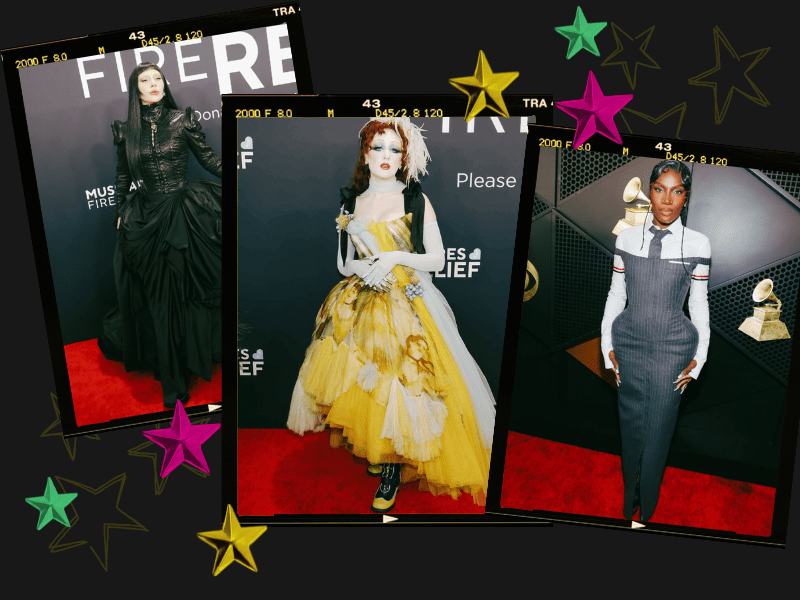
In fashion, designers like Shayne Oliver (Hood By Air) reinvent punk by blending it with queerness, diversity, and contemporary social protest. These creative paths prove that punk remains a living space, capable of reinvention without sacrificing its values.
Between Respect and Innovation: Rethinking Fashion
For fashion to stop being a cannibal predator, it must learn to listen again. Copying visual codes isn’t enough—it must understand and honor the stories, struggles, and communities behind them. Conscious fashion uplifts grassroots work, DIY ethics, and engaged creators.
This demands respectful collaboration—co-creation that goes beyond aesthetic appropriation. Punk radicality—with its fights for justice, freedom, and equality—can’t be reduced to a costume. It’s a fire that still burns in the margins. A call to revolt that still rings true.
Sources & References:
- Dick Hebdige, Subculture: The Meaning of Style, 1979
- bell hooks, Reel to Real: Race, Sex, and Class at the Movies, 1996
- Hedi Slimane and the punk transformation of Saint Laurent (interviews and fashion shows 2013–2016)
- Marc Jacobs, Louis Vuitton show 2012
- Balenciaga, punk streetwear collections (2010s)
- G.L.O.S.S. and the queer punk revival, Pitchfork interview
- Shayne Oliver and Hood By Air, Dazed, 2017
 HOME
HOME 
Leave a comment