From Ludovic de Saint Sernin’s reimagined corsets to Jeanne Friot’s queer-feminist silhouettes, the 2025 runways boldly embraced LGBTQ+ cultural codes. But this visual explosion raises a complex tension: what happens when symbols of resistance are depoliticized, commodified, and worn on bodies they weren’t meant to represent? Between sincere inspiration, silent exclusion, and disguised marketing, queer coding in contemporary fashion teeters between homage and erasure.
For several seasons now, queer coding has emerged as a dominant aesthetic on the catwalk. Leather harnesses, androgynous silhouettes, dramatic makeup, deconstructed corsets—codes rooted in queer culture, from ballroom to Berlin’s club scene, are everywhere in the 2025 haute couture collections. But behind this surge in visibility lies a disquieting question: who truly benefits from this staging?
Bold Looks—But For Whom?
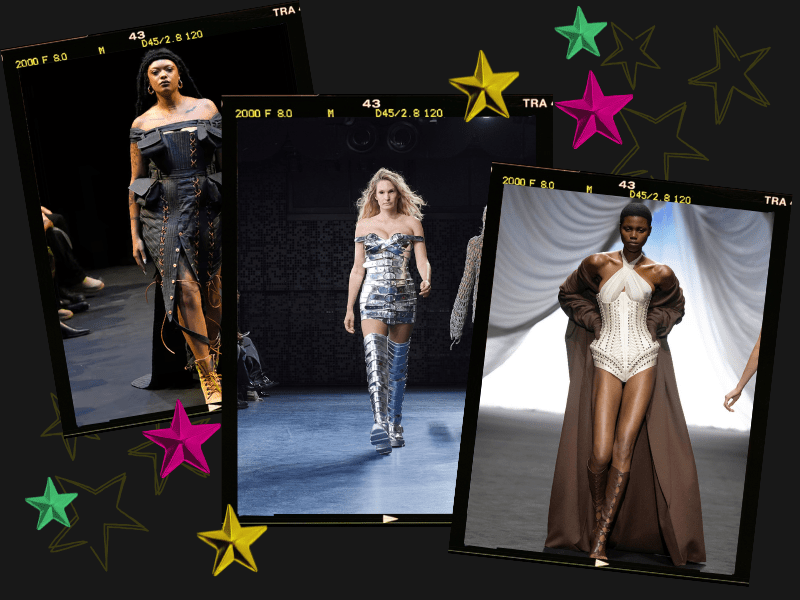
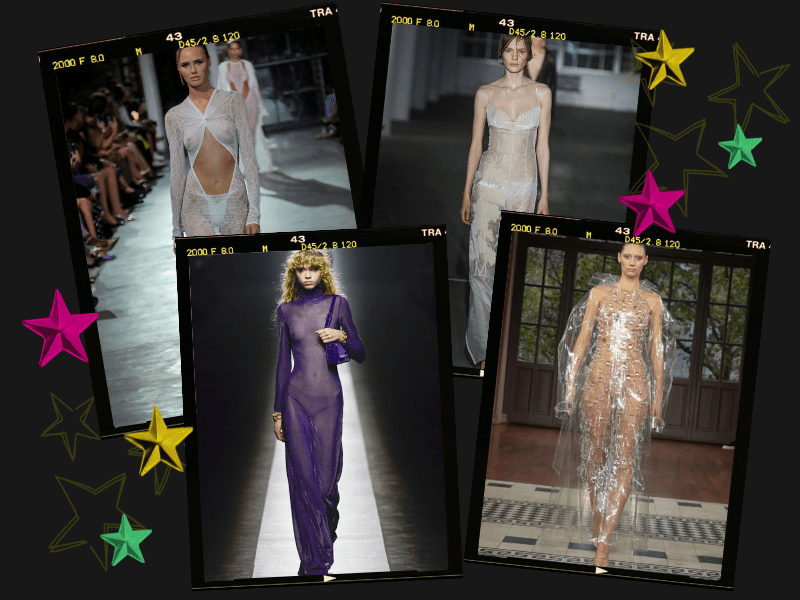
At Paris Haute Couture Fashion Week, Ludovic de Saint Sernin presented Le Naufrage (The Shipwreck) for Jean Paul Gaultier—a sensual, boundary-pushing collection. A model strutted in a cream corset with metal eyelets and brown leather lacing, bare-legged in stiletto heels, evoking both BDSM fantasies and the brand’s queer legacy. A sheer mesh gown, worn without undergarments, stirred both enthusiasm and discomfort. What becomes of queer nudity when it’s stripped from its original bodies?
At Jeanne Friot, the collection Visions told an explicitly lesbian story: oversized pink-orange tartan tailoring paired with biker boots and a transparent organza shirt captured the tension between softness and strength. A long burgundy vinyl trench with a burning heart on the back paid tribute to butch culture while affirming a proud queer-pop aesthetic.
At No Sesso, led by one of the few trans designers on the scene, Pierre Davis, looks blended crochet knits, asymmetrical dresses, and ungendered layering. Racialized, trans, and queer models embodied these hybrid silhouettes, defying binary norms of gender and elegance.
Appropriation Without Redistribution
Yet these examples, however powerful, remain rare. Many brands adopt queer codes as mere styling tricks. Harnesses on Dior suits, graphic eyeliner at Givenchy, biker jackets over pleated skirts at Loewe—these elements are removed from their community contexts and sold as “bold” or “avant-garde,” often worn by cis, white, straight models.
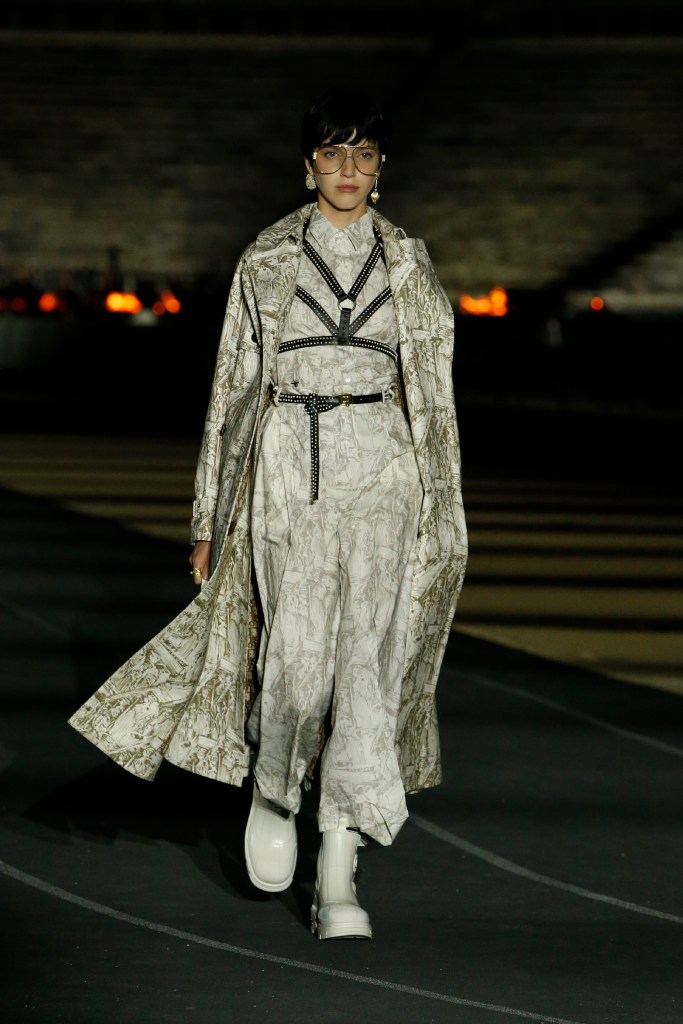
Meanwhile, queer communities continue to pay the social cost: being harassed, excluded, or assaulted for wearing the same outfits the fashion world now declares trendy. This aesthetic dissociation amounts to cultural appropriation: the codes are embraced, but the bodies behind them are erased.
Erased While Represented
This appropriation is often accompanied by exclusion. Many brands capitalize on queer aesthetics during Pride Month with rainbow capsule collections—yet fail to hire queer designers, redistribute profits to LGBTQ+ causes, or foster safe spaces within their own structures. Worse, some brands even erase the word “queer” from their campaigns to avoid alienating conservative clients—while still relying on queer imagery for their displays.
Toward an Ethical Queer Fashion
Fashion owes an immense debt to queer culture—from voguing and nonbinary silhouettes to extravagant makeup, club kids, ballroom queens, and underground stylists. To ignore these roots is to turn queer culture into an empty marketing tool. To ensure queer coding is more than just an aesthetic, it must come with: historical acknowledgment of the codes being borrowed, meaningful inclusion of queer people across all levels of the industry (creation, production, leadership) and clear political commitments—especially regarding LGBTQ+ rights in the countries where these brands operate. In short, it’s not enough to wear the symbols of subversion—you have to carry the fight they represent.
 HOME
HOME 
Leave a comment