A secret language woven into gestures and styles, queer coding was for a long time a discreet refuge — a beacon for invisibilized communities. Today, those invisible codes are exposed under the spotlight of mainstream fashion, stripped of their protective power and turned into fleeting trends. Between history, appropriation, and resistance, one question arises: how can we continue to read, inhabit, and reinvent this queer language without betraying its roots?
Queer coding — this invisible language coded into gestures, clothing, speech — was long a hidden sanctuary. A discreet map drawn by LGBTQ+ communities to recognize each other and find shelter in a hostile world. These signs, sometimes subtle, often subversive, carried a double mission: to protect and to preserve. But in an ironic twist, mainstream fashion and pop culture seized on these signs, hollowing them out of their deeper meaning to turn them into marketable trends. What becomes of this survival language when it is laid bare — disembodied — across runways and shop windows? How can we navigate between authenticity and commodification, between belonging and spectacle?
A History of a Secret Language: Queer Coding as Refuge
Before the word queer was reclaimed, before LGBT+ identities were visible or legalized in some places, queer coding was a tactic of existence. In a society where homosexuality and trans identity were criminalized or stigmatized, queer people developed a subtle system of signs — in the way they dressed, spoke, moved — to recognize each other without exposing their vulnerability.
Queer coding was rooted in the need for discretion, but also in the pride of an invisible bond. For example, floral patterns in women’s fashion of the 1950s could carry symbolic weight for lesbians; unconventionally worn jewelry, bold colors, or certain bodily postures embodied resistance. In classic cinema, “queer coding” referred to characters with ambiguous mannerisms, appearance, or speech — often coded as queer without ever being named, skirting censorship.
Queer historian and theorist Susan Stryker writes: “Queer coding was a necessity — a secret code that protected and kept alive an otherwise invisible community.”
Today’s Popular Codes: Decoding Meaning
Once clandestine, queer coding now saturates fashion and pop culture. This visual language — made of subtle or flamboyant signs — continues to evolve, as both a tool of affirmation and an object of appropriation. Some iconic contemporary codes include:
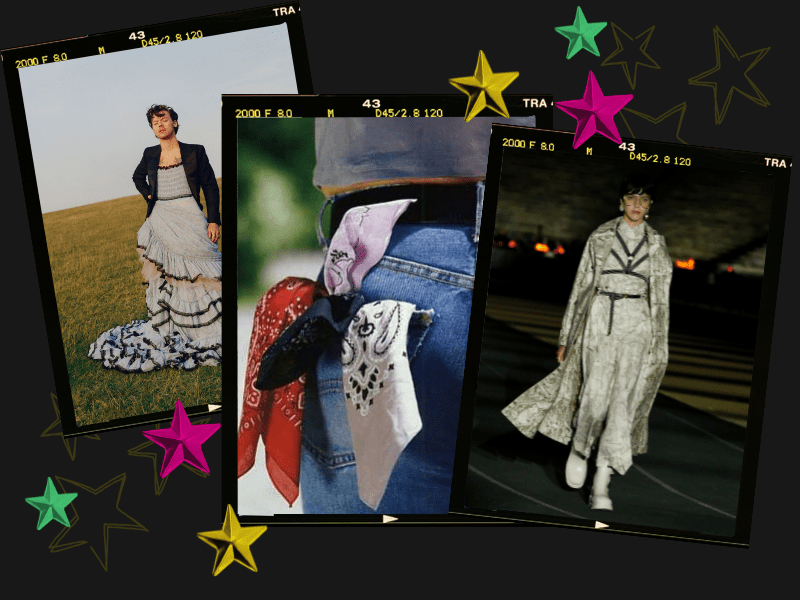
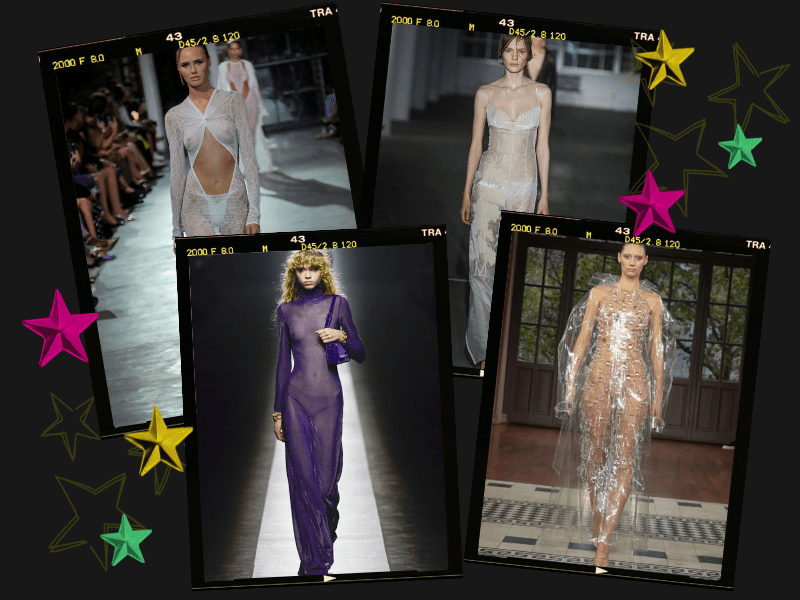
- Gender blending: Oversized jackets, skirts over trousers, deconstructed suits, dresses worn on masculine bodies — blurring the line between “feminine” and “masculine” remains a powerful refusal of binary boxes. Androgyny becomes explicit.
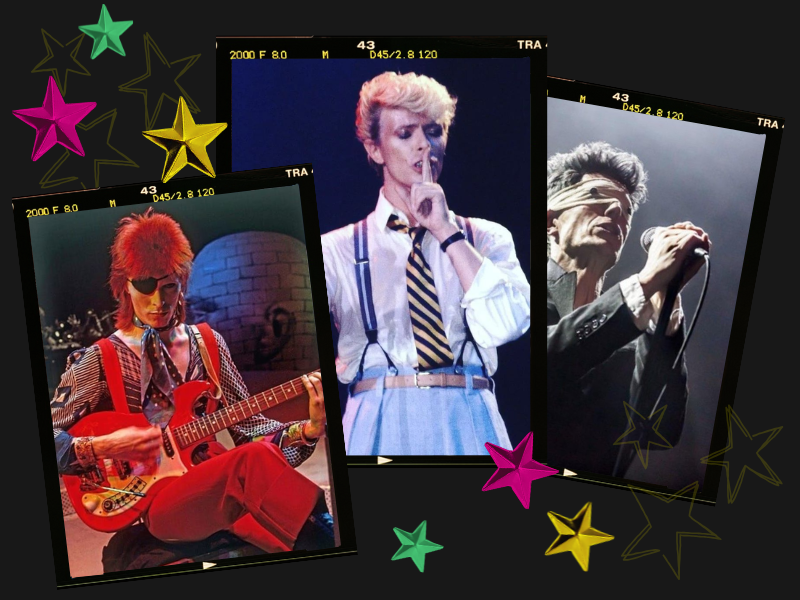
- Bold makeup: Exaggerated eyeliner, glitter, bright eyeshadow — gestures of queer embodiment outside cisnormative standards. An aesthetic of shine, claimed proudly.
- Symbolic accessories: Knee-laced Doc Martens, jewelry worn in “wrong” places (earrings on men, eyebrow or nose piercings), studs, chains, chokers. These details code identity, legacy. The handkerchief code survives too, with colored bandanas concealing or revealing desire.
- Gestures and posture: A way of walking, placing one’s hands, holding the head, taking up space — often fluid, sometimes exaggerated, always deviating from heteronormative scripts.
- Language and attitude: Sarcastic tone, camp references, vocabulary drawn from ballroom, drag, and online queer spaces. Humor as a weapon and signature.
These signs, once secret, are now seen on runways, in ad campaigns, on Instagram feeds. But as they root deeper into mainstream culture, their meaning becomes blurred: celebration or appropriation? Political gesture or aesthetic statement? Queer coding remains in flux — between pride and dilution.
The Pros and Cons of Mainstream Queer Coding
Pros: Visibility, Inclusion, Celebration
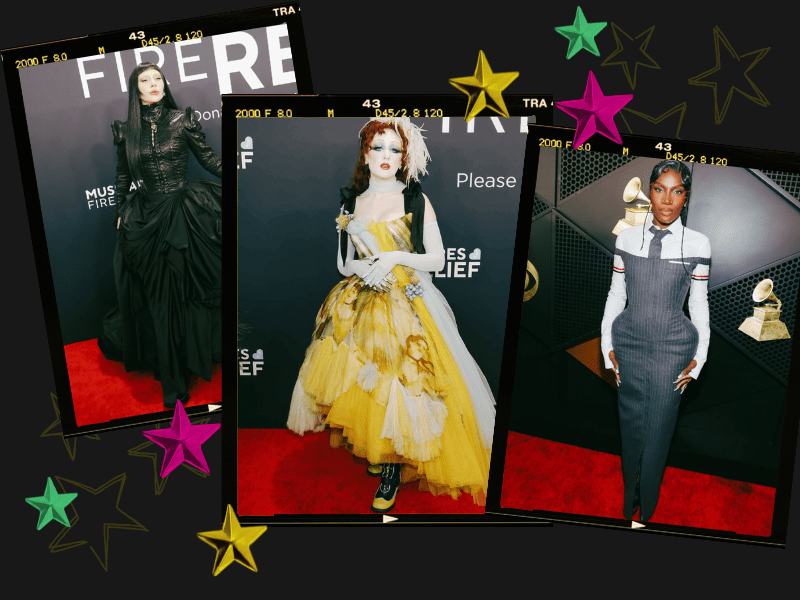
The increasing visibility of these codes in fashion and culture can be seen as a win. They help deconstruct gender norms and increase the visibility of queer identities. Designers like Telfar Clemens and Harris Reed, or brands like Gucci and Prada, embrace queer aesthetics, offering broader spaces of expression.
Queer coding thus becomes a vehicle for recognition and pride. It allows people who don’t yet have the words for their identity to feel they’re not alone.
Cons: Dilution, Appropriation, Confusion
But this widespread diffusion carries risks. Commercial appropriation can strip these codes of their liberatory power. When a studded jacket or flamboyant makeup become just a trendy “look,” their roots in resistance are erased. These signs risk becoming clichés — “costumes” worn without comprehension.
This confusion can even harm queer people. Some are misled, mistaking fashion consumers for allies or fellow community members. It fragments the community and blurs lines of genuine support.
From Fashion to Cultural Icons: Real-World Examples
- RuPaul’s Drag Race played a major role in popularizing a flamboyant queer aesthetic, making once-hidden codes visible.
- Harry Styles, who challenges gender norms through his fashion, is a high-profile example of mainstream queer coding — though his ambiguous stance draws criticism for leaning more into marketing than activism.
- The documentary Paris is Burning (1990) captures queer coding within ballroom subcultures, where Black and Latinx queer communities built richly coded, stylish, and protective worlds.
- Gucci’s Spring/Summer 2022 collection under Alessandro Michele embraced a queer aesthetic — celebrated for its inclusivity but also questioned for the depth of its commitment.
Navigating the Paradox: Between Authenticity and Performance
For queer people today, the question is how to reclaim these codes without falling into the trap of appropriation. Philosophically, it’s a call to reinvent language — to go beyond surface-level signals and return to a sense of political intimacy.
Queer writer and philosopher José Esteban Muñoz reminds us in Cruising Utopia that queer is a future in motion, a horizon to reach toward, always in flux and never fully grasped. It’s in this spirit we must think about queer coding: not fossilized in nostalgia, nor consumed as fast fashion, but as a creative, collective, and living act.
Conclusion
Queer coding is a historical tool of survival — an invisible territory that allowed generations to find shelter and kinship. Today, its growing exposure in mainstream fashion raises questions about authenticity, belonging, and commodification. Between celebration and dilution, between visibility and confusion, queer communities are called to reinvest these codes, to rewrite their meaning — in a gesture of radical love and political affirmation.
Sources & Citations:
- Susan Stryker, Transgender History, 2008
- José Esteban Muñoz, Cruising Utopia: The Then and There of Queer Futurity, 2009
- Judith Halberstam, Female Masculinity, 1998
- Paris is Burning, documentary by Jennie Livingston, 1990
- Telfar Clemens interview, Vogue, 2021
- “What is queer coding?” — The Guardian, 2019
 HOME
HOME 
Leave a comment